|
❉ Blog post 22 on diagrams in art and science covers a project I worked on to design a fictional city on Mars. The blue prints for the city are based on a diagram of one of the oldest and most remarkable molecules ever discovered in the history of biology, the Ribosome. These molecular printers are found in all cellular life on earth, and NASA funded ribosome research is raising some of the most profound and exciting questions about the origins and future of life itself.
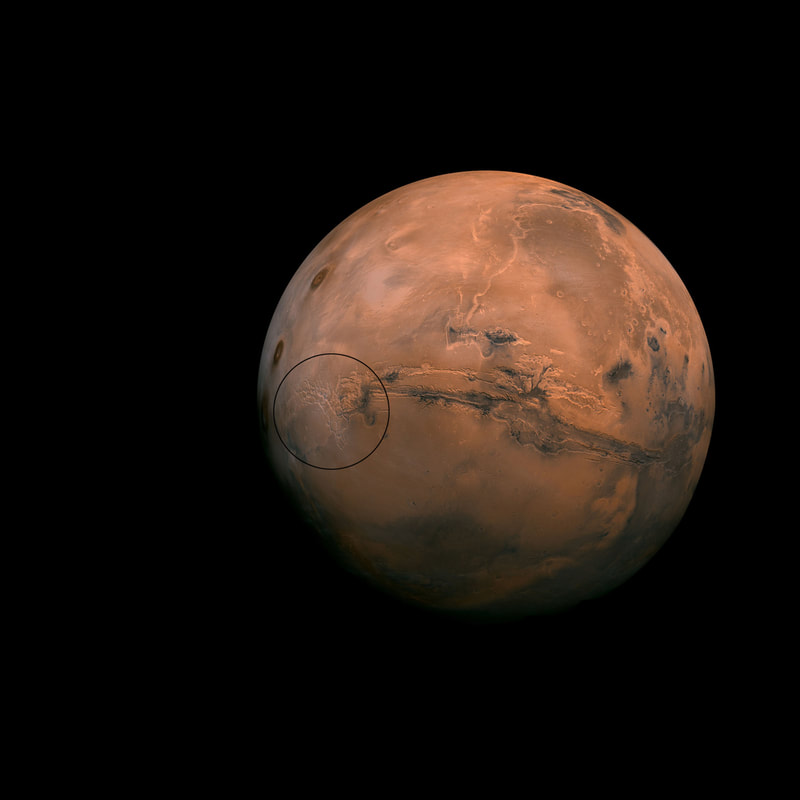
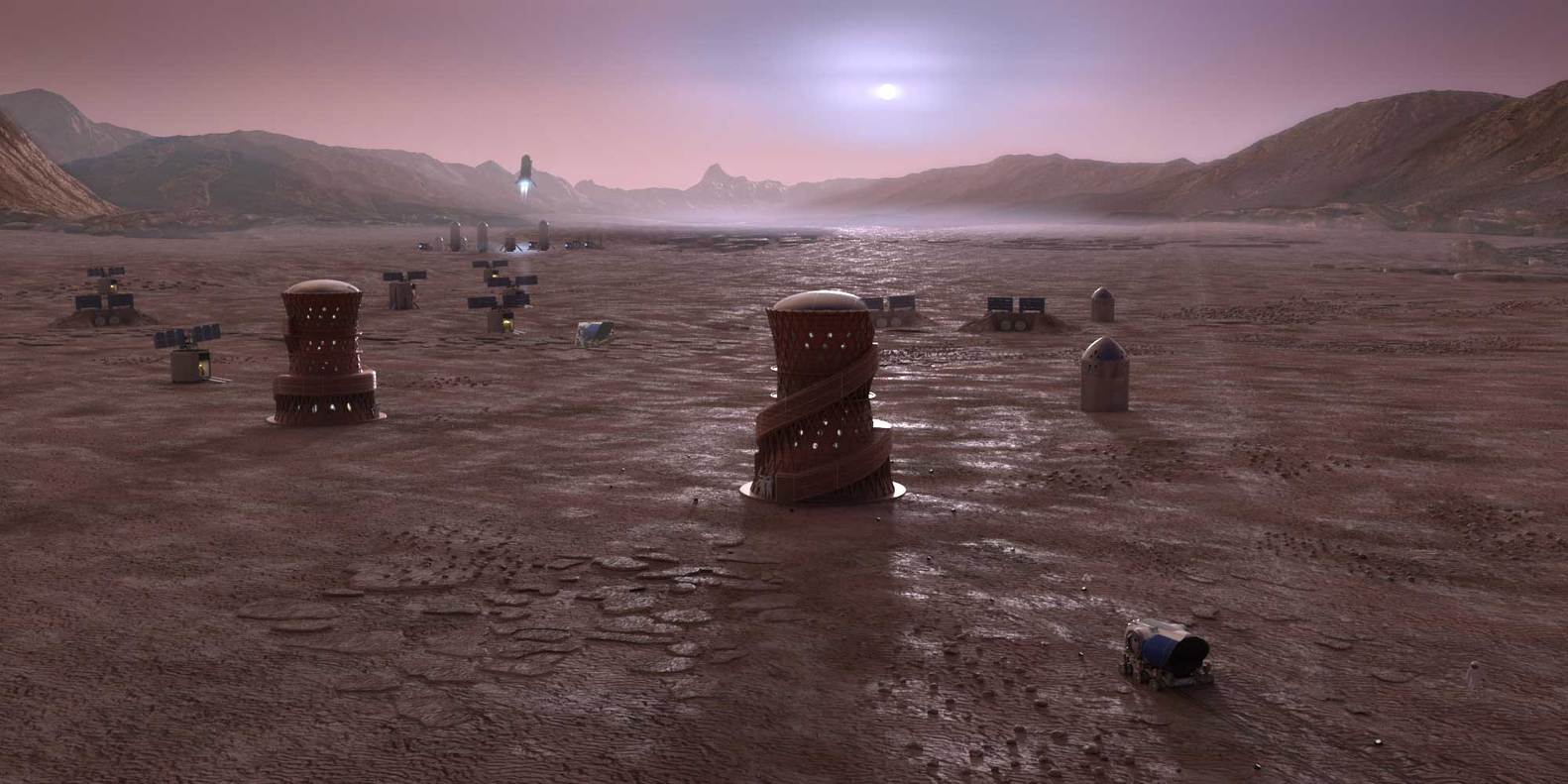
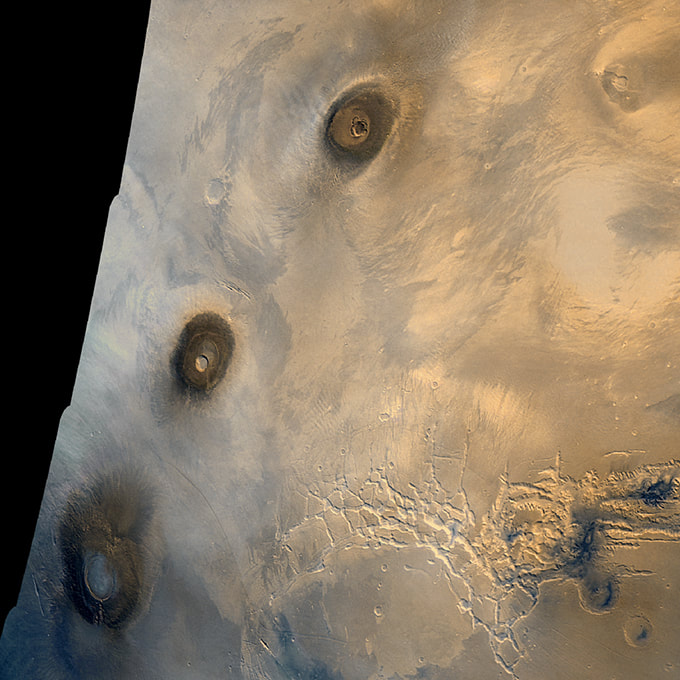
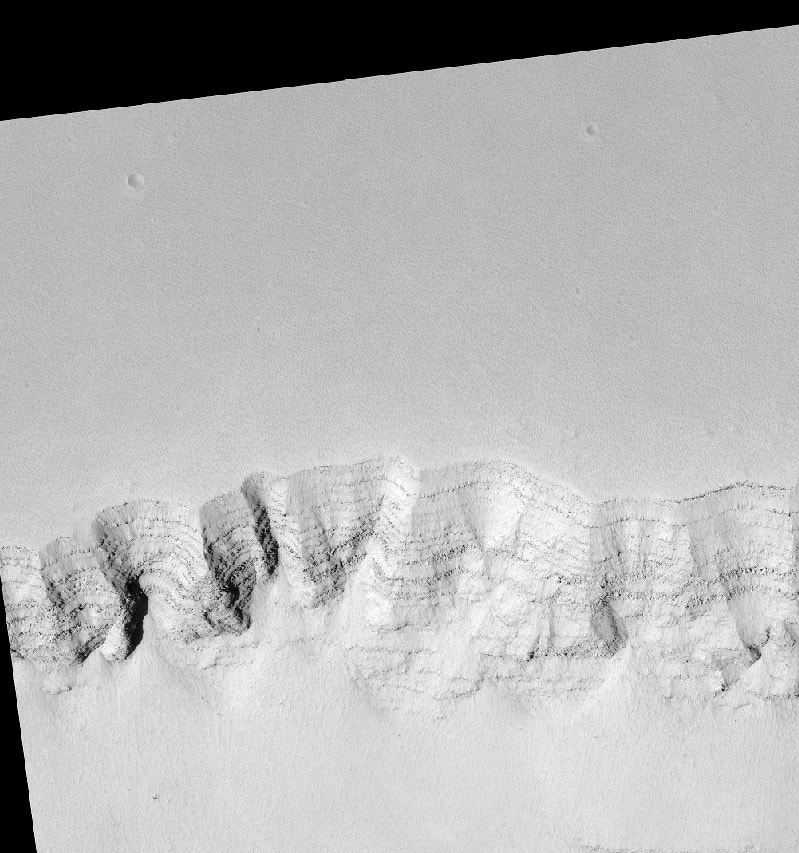
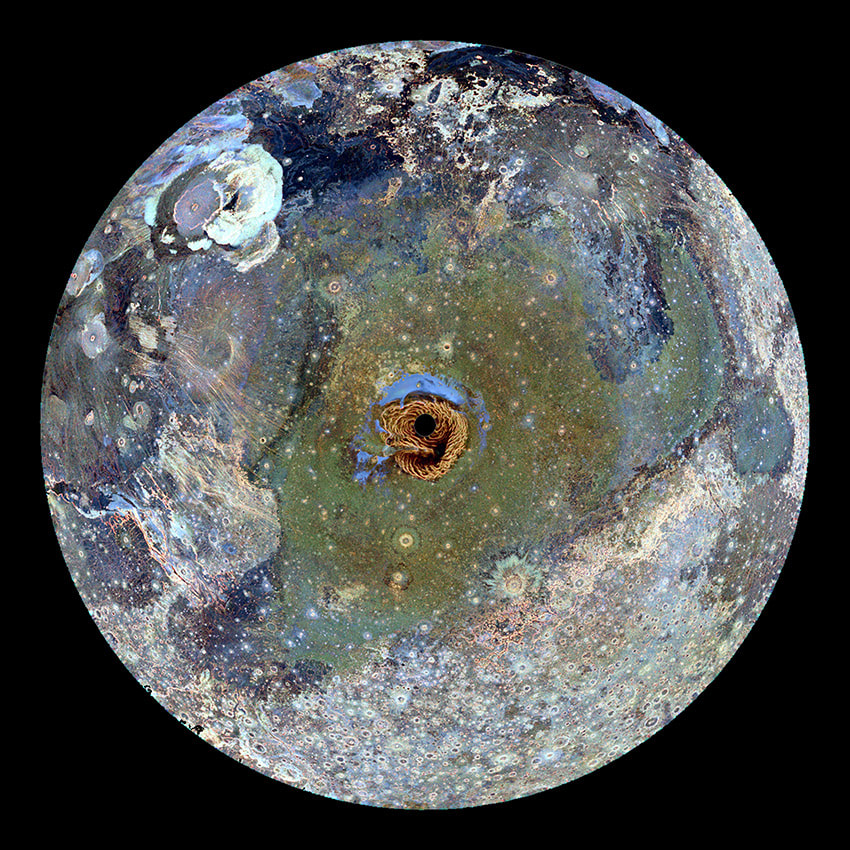
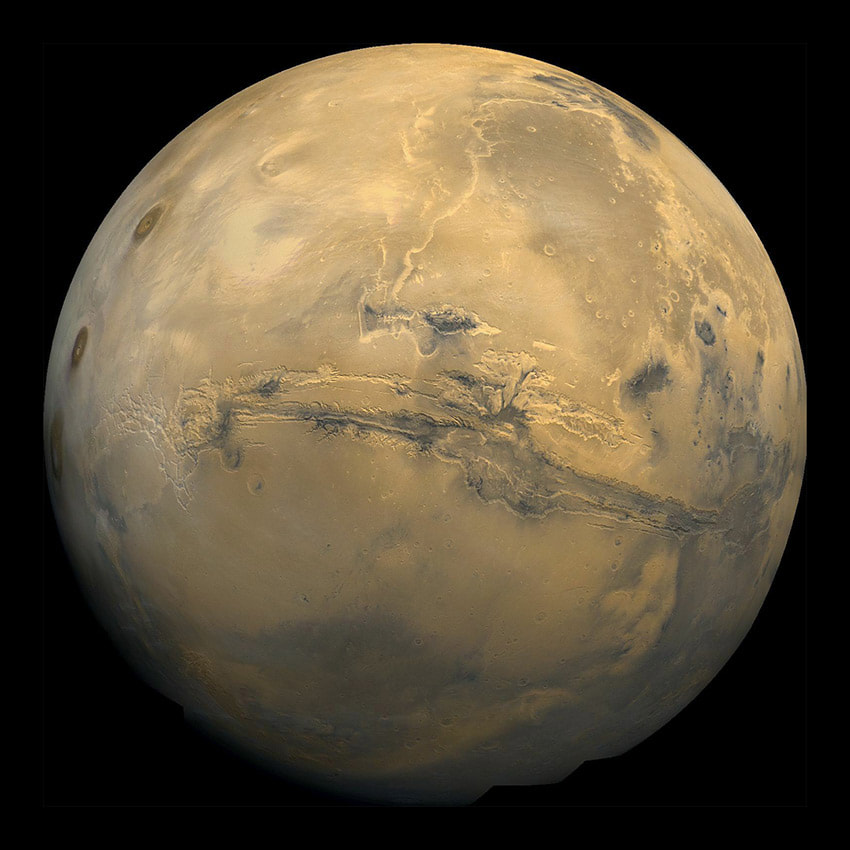
Figure1: Noctus Labyrinthus (Labyrinth of the night), a vast region of labyrinthine canyons on Mars.
The City:
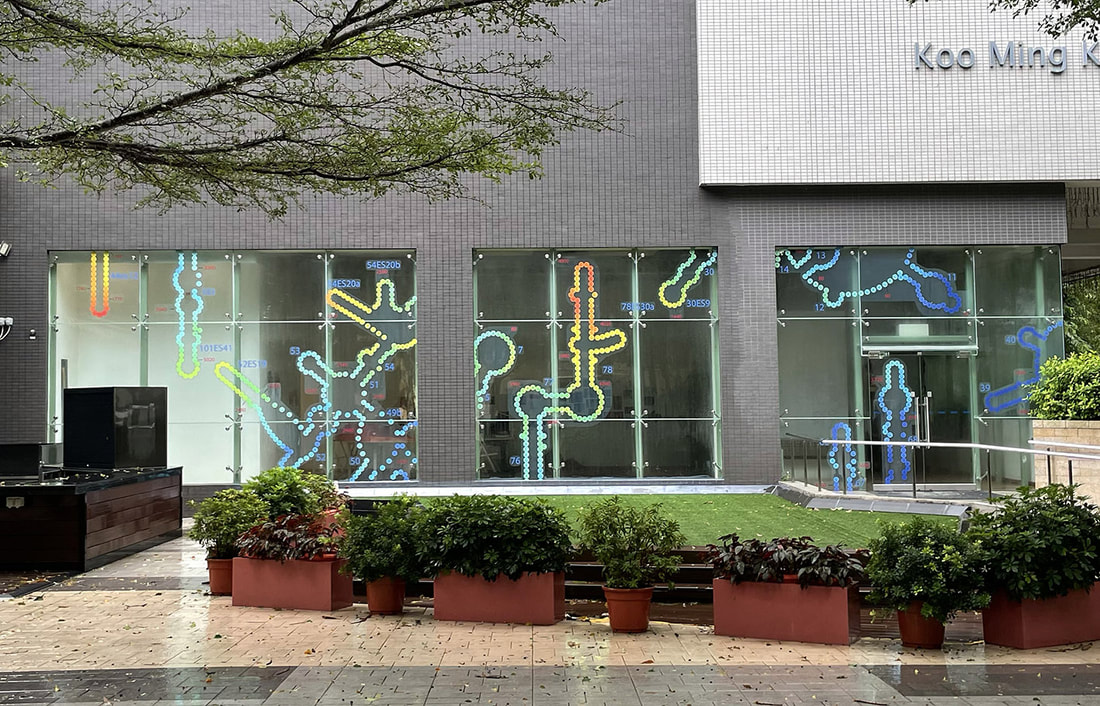
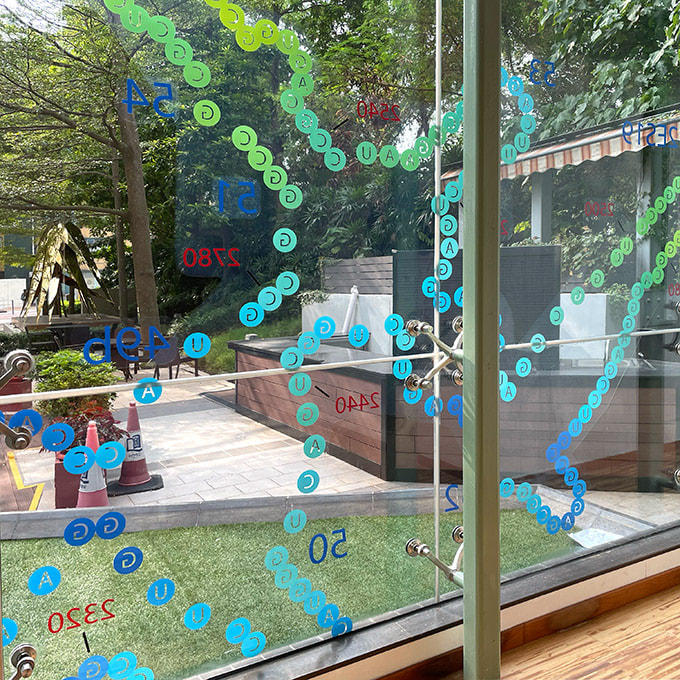
The 2021 CITYA group exhibition in Hong Kong, curated by Janet Fong, invited artists to explore how humans interact with urban environments in the 21st century. My installation, Noctus Labyrinthus, named after a vast canyon system on Mars, offered a perspective on how urban living might extend into space. One of my favourite city-related diagrams is Harry Beck's 1933 experimental map of the London underground system (figure 2). What I find particularly interesting is the way the image acts a palimpsest of Beck's mind at work using the diagram as a thought tool. Train lines are sketched out, erased, then re-drawn in a process of connection, disconnection, and reconnection. It's intriguing to note that Beck's background as an electrical draftsman likely influenced his unique approach to this project. 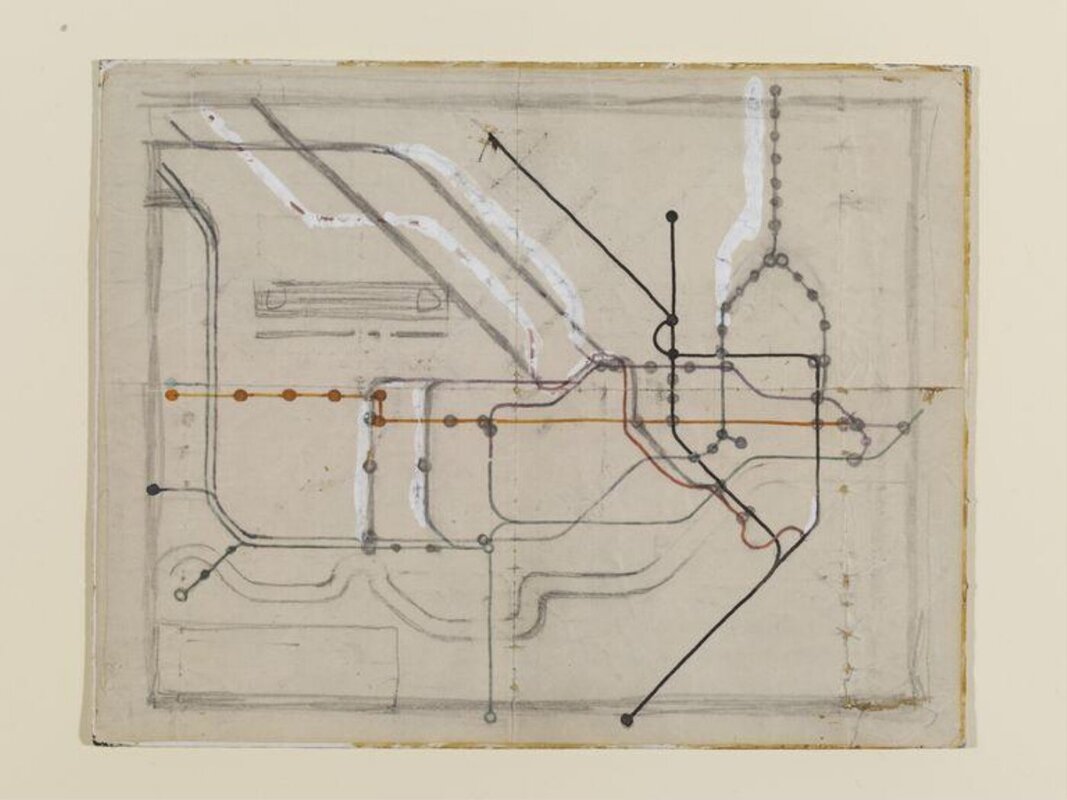
Figure 2: Henry C. Beck, Original sketch for the London Underground Railways Map, 1931,
Pencil and coloured inks on squared paper, 19 x 24 cm
Beck prioritized clarity over geographical fidelity, a step the transport officials considered too radical for the British public of the time. According to the Transport for London website however, "A successful trial print-run showed that it was just what the public wanted. The result was an instantly clear and comprehensible chart that became an essential guide to London - and a template for transport maps the world over."
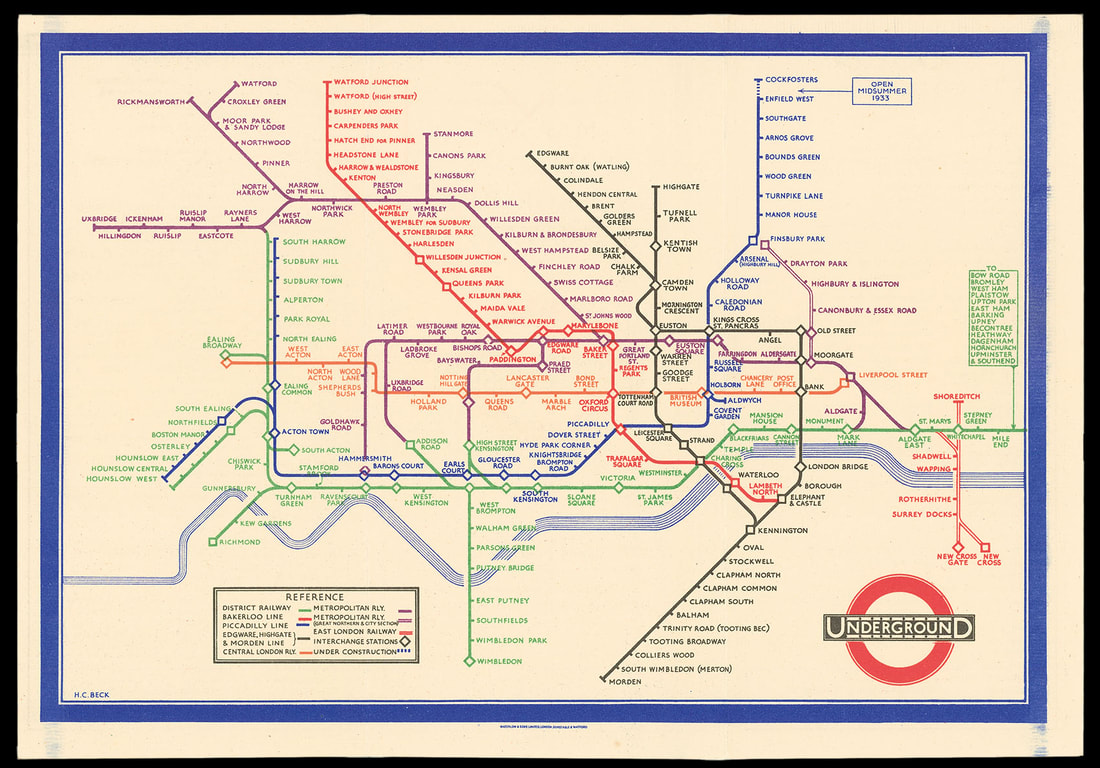
Figure 3: "Map of London's Underground Railways. (A new design for an old map. We would welcome your comments. Please write to Publicity Manager, 55, Broadway, Westminster, S.W.1.)"
Harry Beck, Published by London Transport, 55, Broadway, Westinster, S.W.1, [January, 1933]., London, 1933
In preparing for the CITYA exhibition, Beck's sketch reminded me a diagram from biology I'd had pinned to my studio wall since I discovered it in a 2015 paper in the Proceedings of the National Academy of Sciences. Somewhat more complex than Beck's map, it depicts a molecular network a trillion times smaller and four Billion times older than the 1933 London underground system.
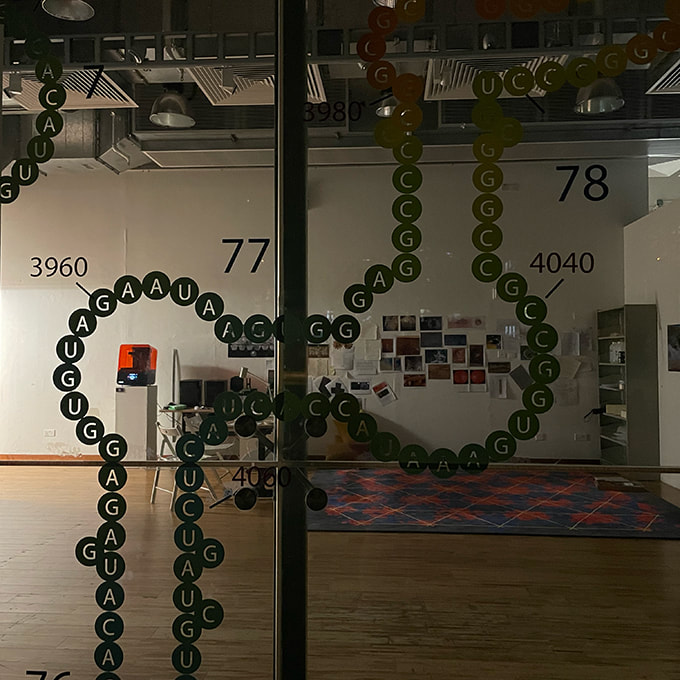
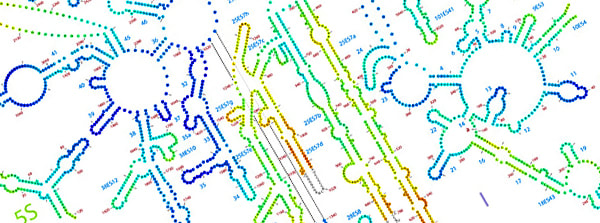
Figure 4 is a diagrammatic unravelling of the large subunit of the human ribosome, courtesy of Anton Petrov and Loren Williams (1), who first published the image in their paper titled "History of the ribosome and the origin of translation". Unusually for a scientific paper, the discussion section describes the field of ribosome research as "posing some of the most profound and exciting questions in science…" (2)
Their use of such emotive adjectives in a scientific text reminded me of the time I'd been reprimanded after an undergraduate biochemistry exam for using the words subtle, intricate and profound to describe what I thought were subtle, intricate and profound chemical processes in the human metabolic system. Professor Baker, then head of department, summoned me to his office to suggest that if I wanted to use such terms I should sign up for creative writing classes in the English department, making it clear that scientific texts were no place for subjective expression. I realised much later this rebuke had been an important moment in my transition from science to art, and that the sciences could indeed be approached subjectively from a whole range of alternative, creative and expressive aspects, including poetry, music, dance and art. 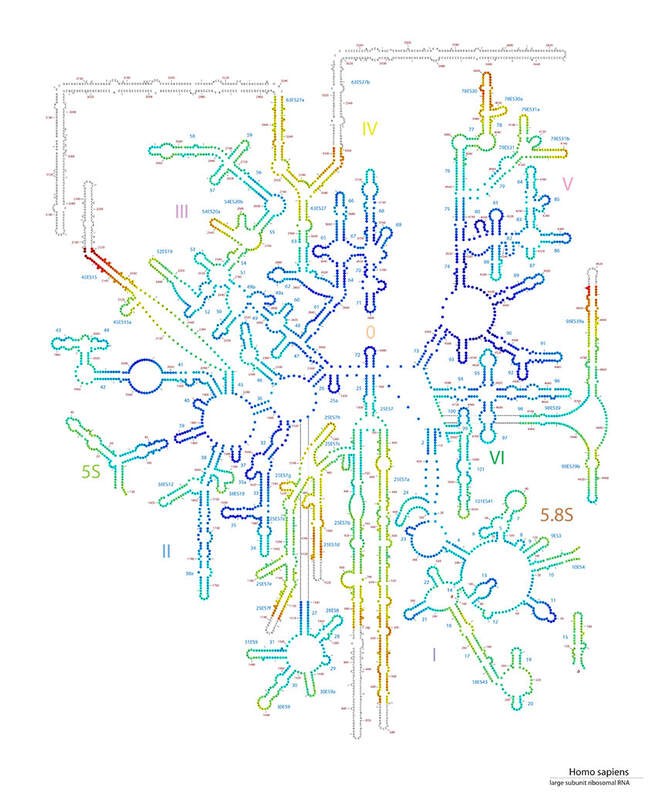
Figure 3: Secondary structure of the human ribosome large subunit.
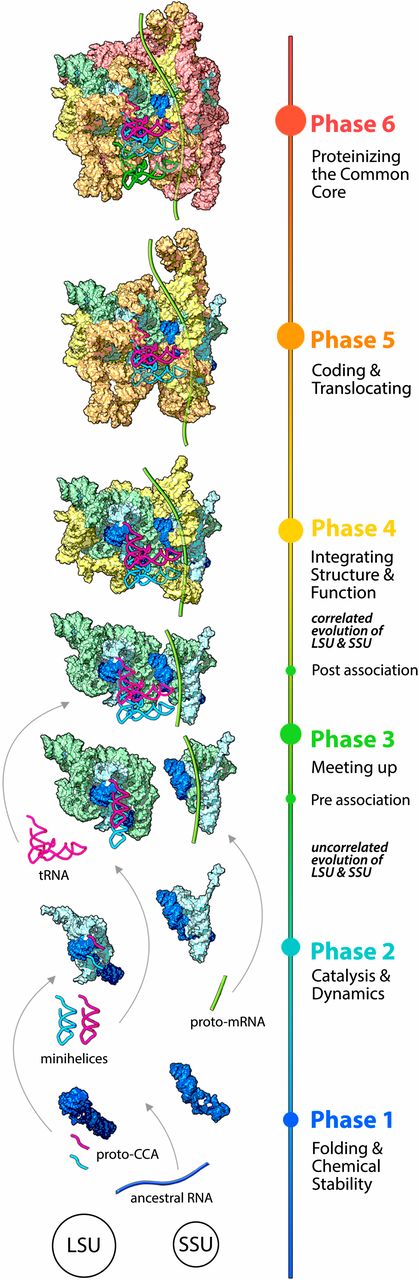
Image courtesy of Anton Petrov and Loren Williams. Centre for the Origins of Life Research (COOL), Georgia Institute of Technology Creative Commons Attribution-ShareAlike 3.0 Unported License (CC BY-SA). The Blue-print: Ribosomes are found in all cellular life on earth, and the molecule holds such an important place in biology that the 2009 Nobel prize in medicine and physiology was awarded for the discovery of its complete molecular structure (4). A single one of your cells during mitosis (cellular division) can contain as many as 10 million ribosomes, which form an essential part of the molecular machinery that uses the genetic information embodied in DNA to print the tens of thousands of proteins that builds life on earth and regulates it at a chemical level. Further studies of the ribosome have involved pealing away the layers of its structure like an onion, to understand how they evolved over the aeons. At the very centre was discovered the highly conserved core of the ribosome (shown below in blue), estimated to have arisen some 4 billion years ago (3). By comparison, the age of Earth is estimated at 4.5 billion years old.
Figure 4: The first six phases of the accretion model of ribosomal evolution.
From: History of the ribosome and the origin of translation, 2015, Petrov et. al. COOL receives funding from NASA’s department of exobiology, in the belief that knowing more about the origins of life on earth at the chemical level will potentially help astrobiologists understand what chemical signatures to look for on Mars in their search for extraterrestrial life. The fact that the structure of ribosomes is so similar across all of life on earth supports the idea that life arose from a single cell or 'Universal Common Ancestor', a theory first proposed by Charles Darwin over 150 years ago. Meanwhile the 'Ribosome World Hypothesis' proposes that the first ancient, primordial ribosomes were self-replicating intermediates between a prebiotic world and the first cellular life forms. By choosing the diagram of the ribosome as a blueprint for our first extraterrestrial colony, I wanted to connect the molecular genesis of life with its potential futures, and design a poetic emblem for the remarkable moment when organic life attempts to spread out into the solar system for the first time. 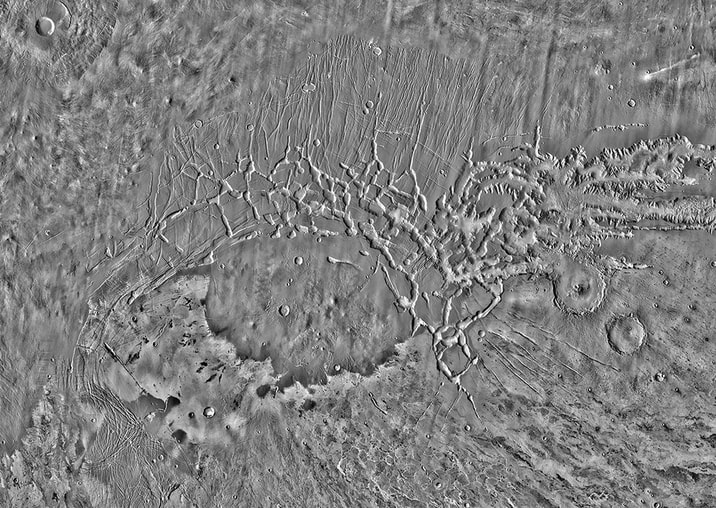
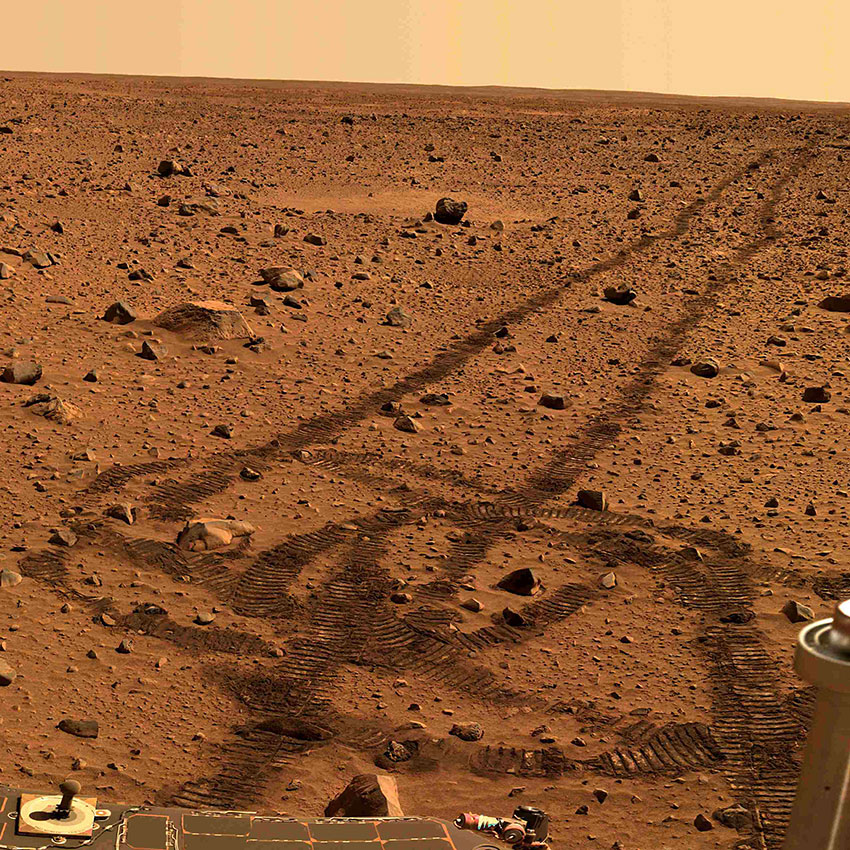
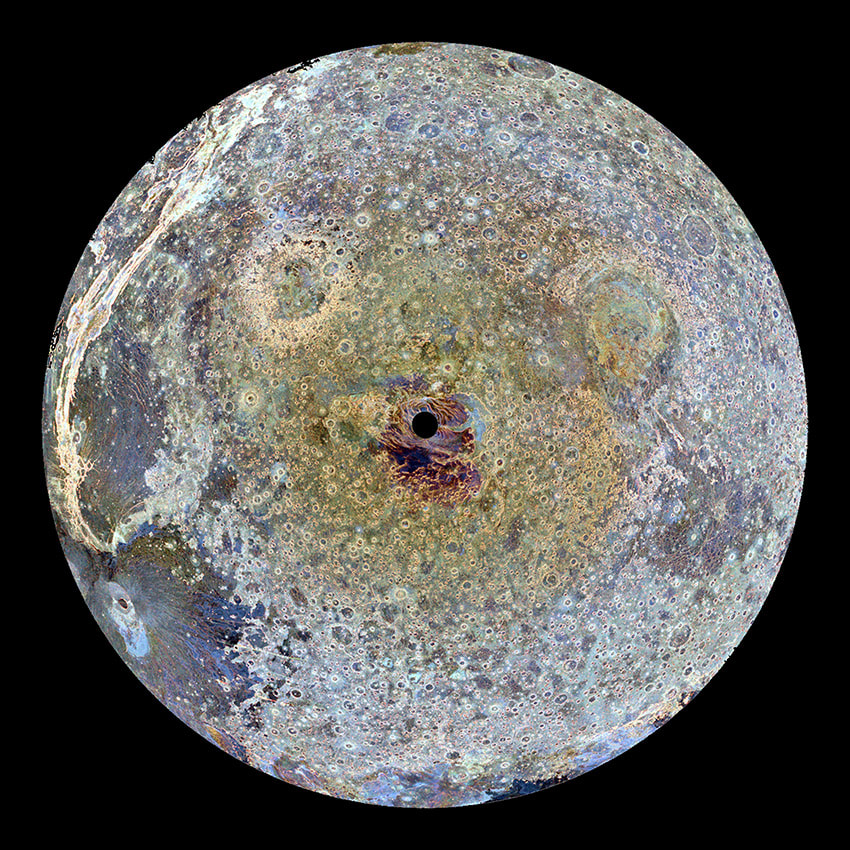
Figure 5: Noctis Labyrinthus
The Labyrinth:
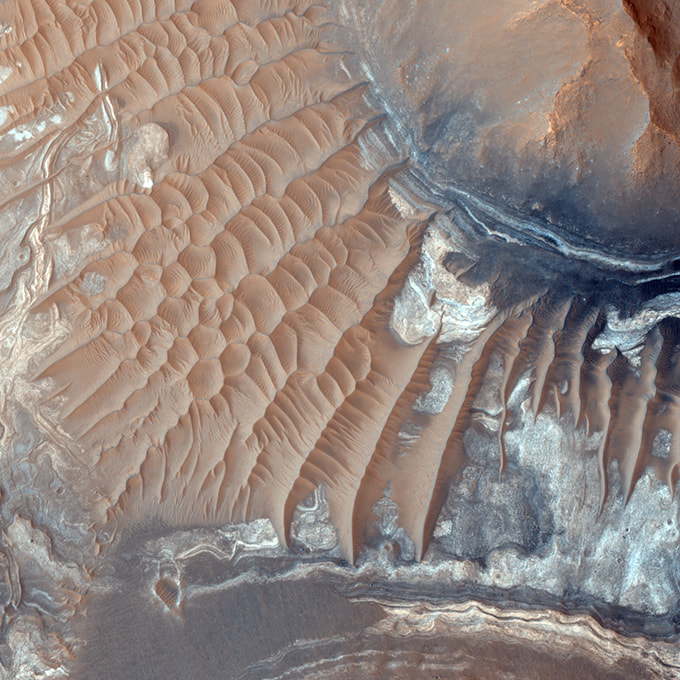
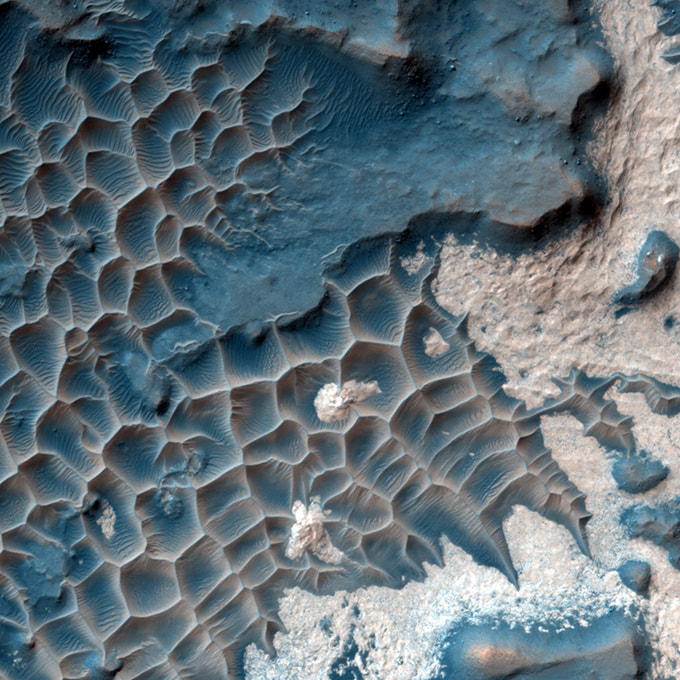
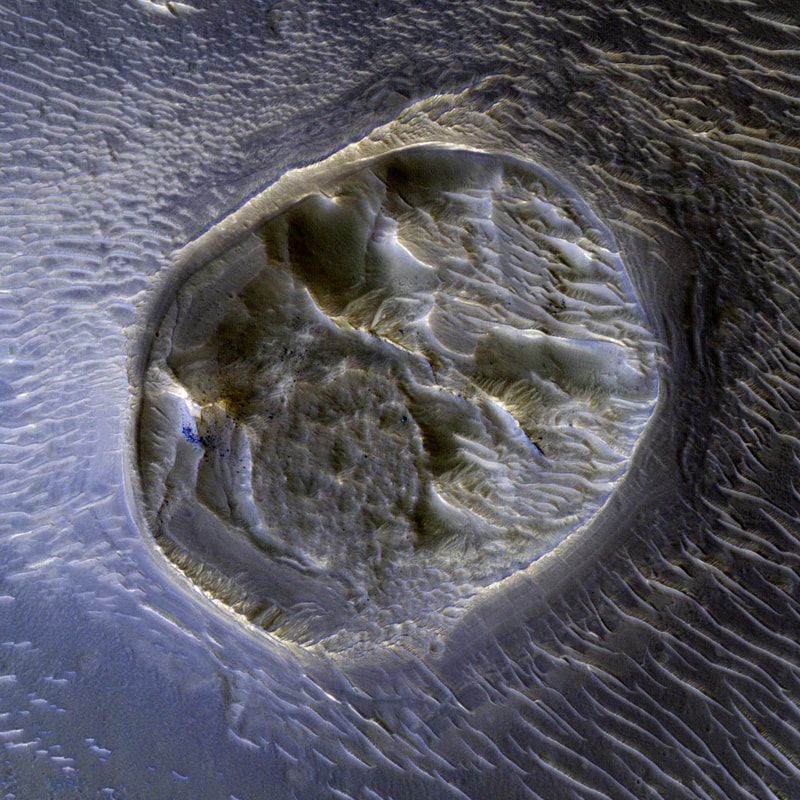
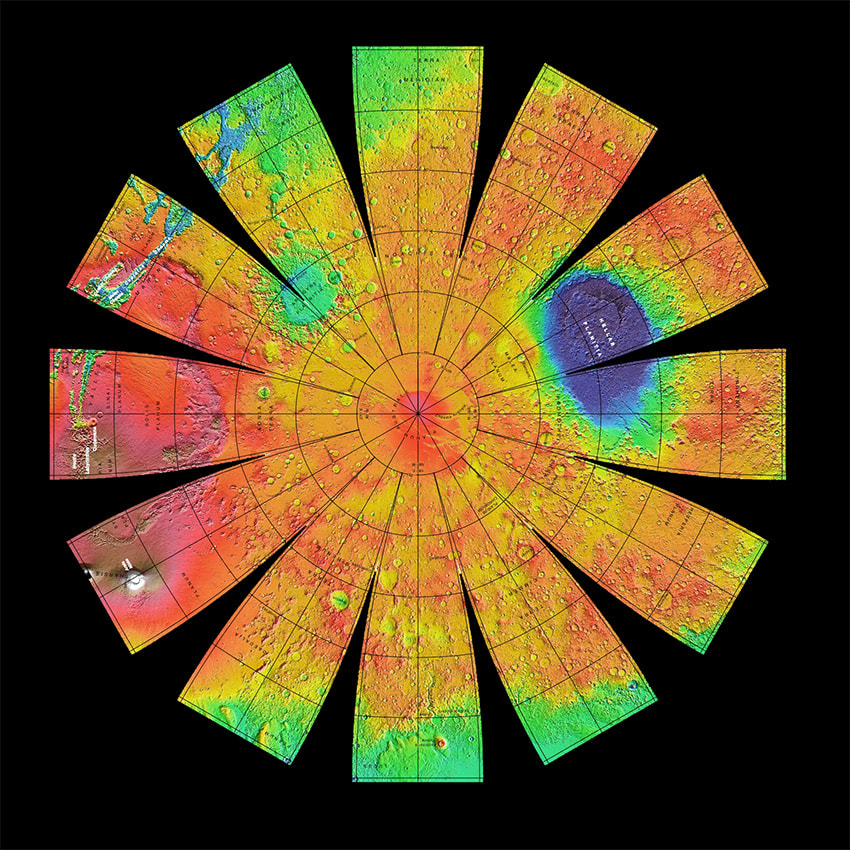
In looking for a suitable location for the fictional martian city I first considered Asimov crater, named after the prolific writer and biochemistry professor Isaac Asimov. The smooth terrain of Arcadia Planitia also seemed an appropriate location. The term 'Arcadia' symbolizes an idyllic, pastoral harmony in Greek mythology. Known as the mythical home of Pan, the god of shepherds, hunters, meadows, and forests of the mountain wilds, Arcadia has been a source of inspiration for artists and writers back to the ancient times. However I finally chose Noctis Labyrinthus, a region often poetically referred to as the 'Labyrinth of the Night'. This dense network of intersecting valleys and canyons forms a geological maze carved into the Martian crust at the western end of Valles Marineris, the largest canyon in our solar system. In the mornings its shadowy recesses are deep and cold enough to briefly fill with mist at sun rise, adding its mysterious allure. The next step was to make a physical model of a small section of Noctus Labyrinthus, and this involved downloading 'high fidelity stereo-photogrammetric data' from NASA’s ‘High Resolution Imaging Science Experiment’ or HiRISE, the most powerful camera ever sent to another planet (figure 6) (5). 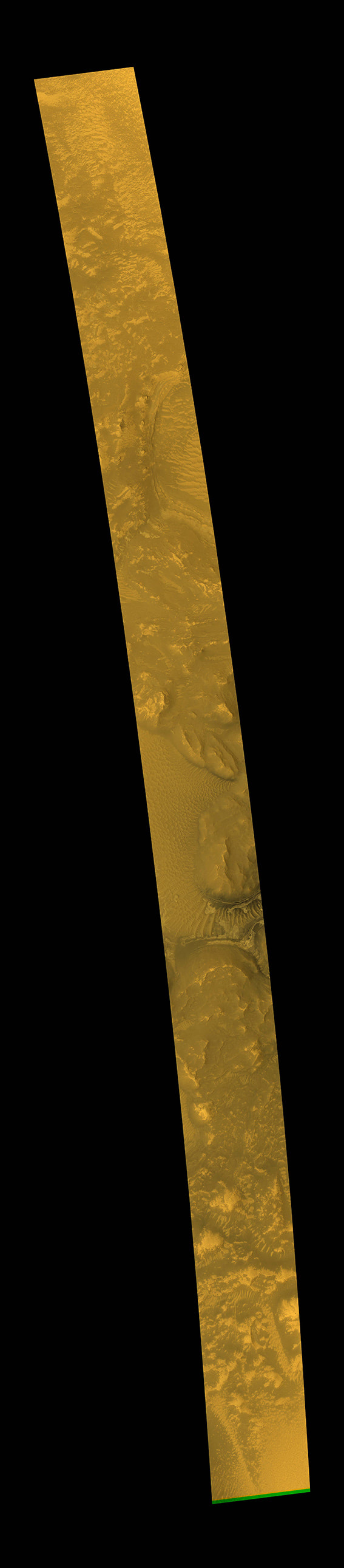
Figure 6: A high resolution 'Data Swath' created in a single pass of HiRISE over the Noctis Labyrinthus region of Mars.
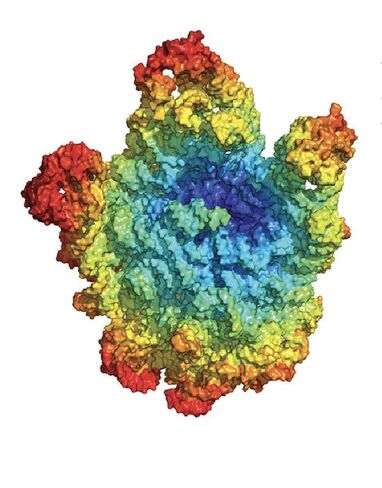
Figure 7 is the original image used in my project proposal for CITYA. This false-colour elevation map depicts a region in Noctis Labyrinthus. Blue represents the valley floors and red the higher altitudes of the smooth plateaux. The diagram of the ribosome molecule was added and adapted to fit the terrain, creating a city-like network of interconnected domes and buildings viewed from above.
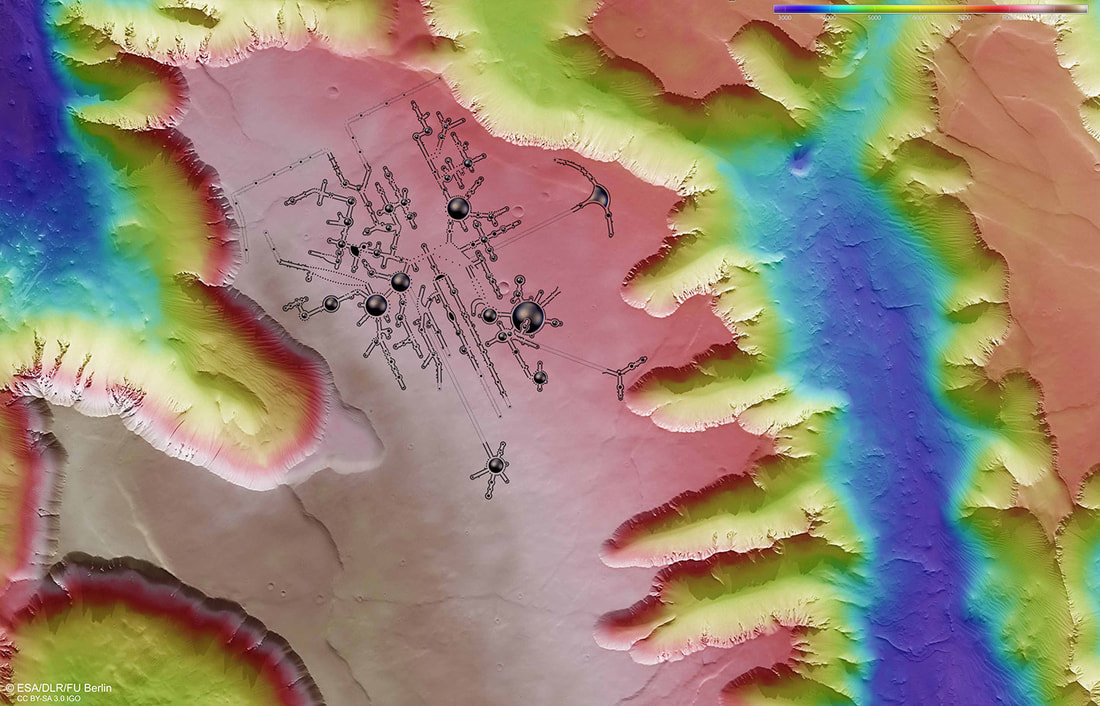
Figure 7: Topographic Map of Mars with city plan based on the ribosome molecule.
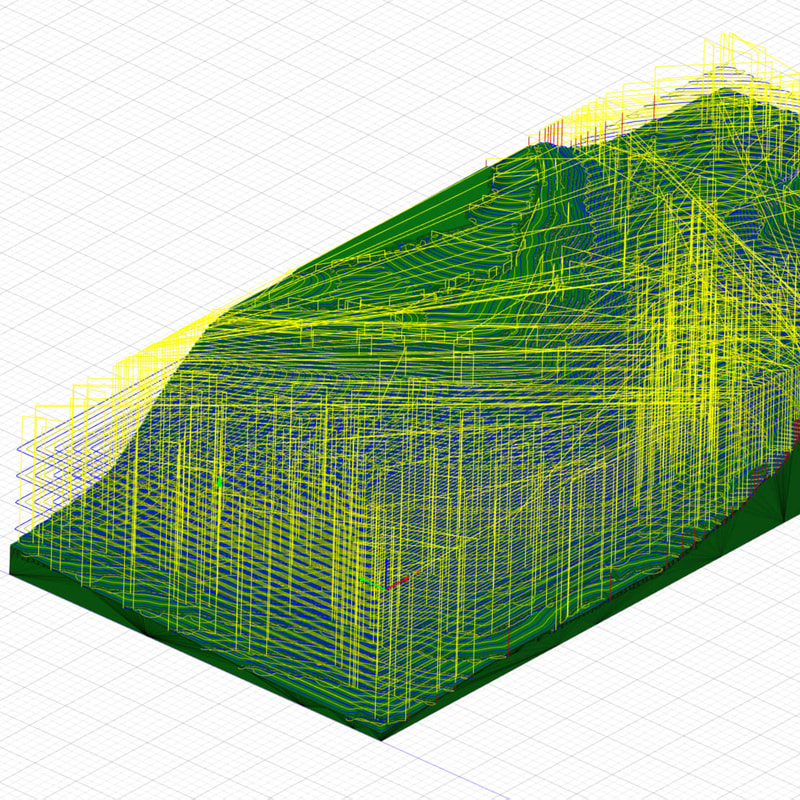
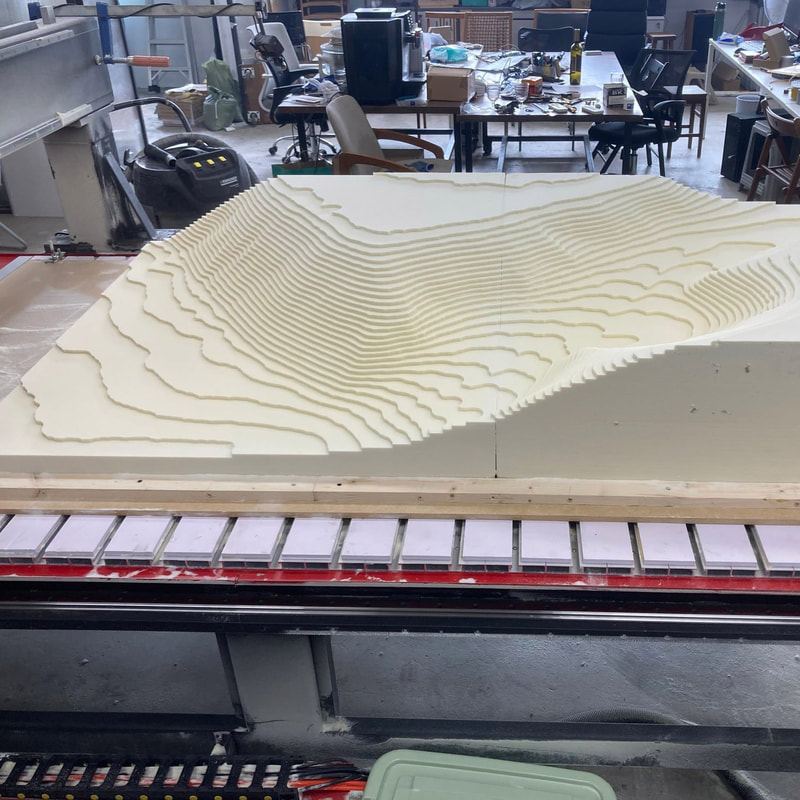
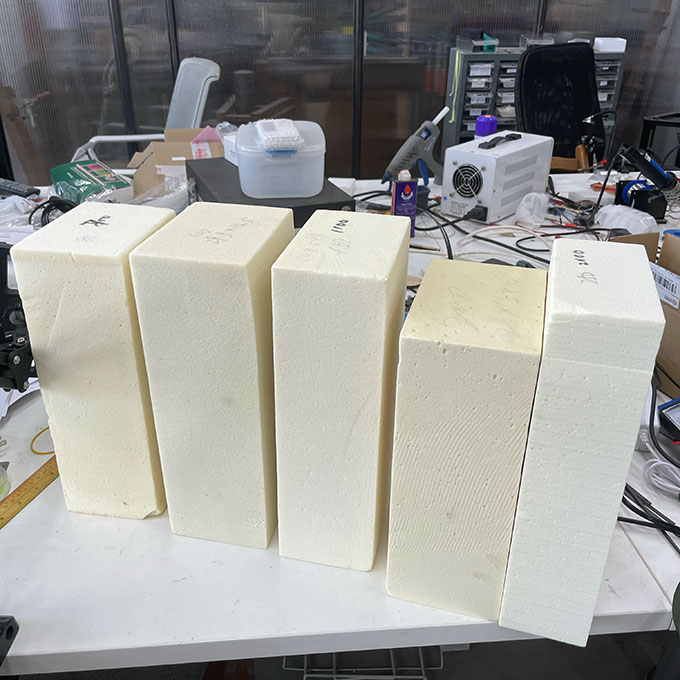
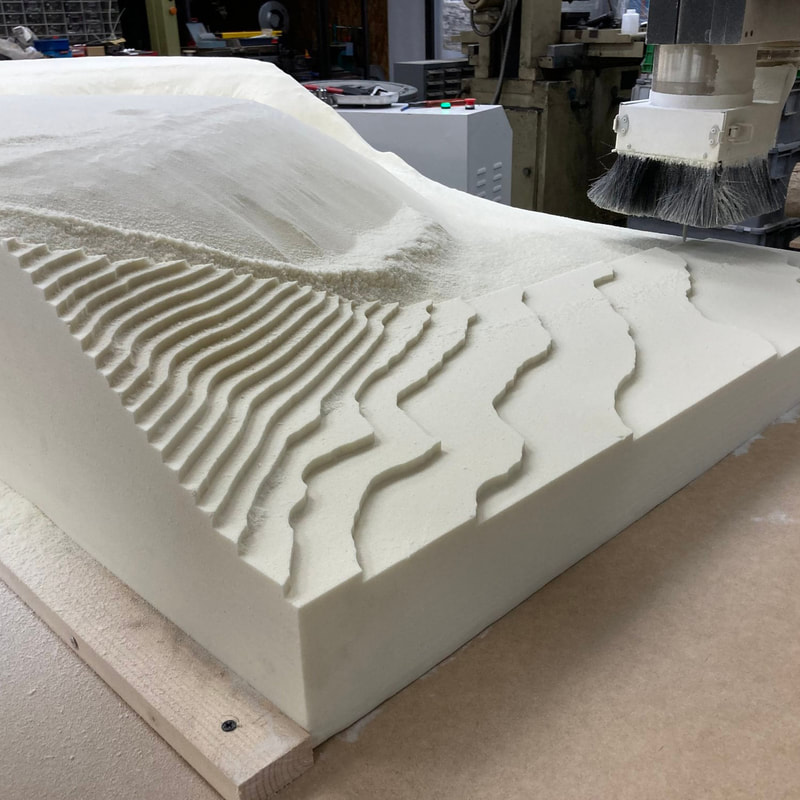
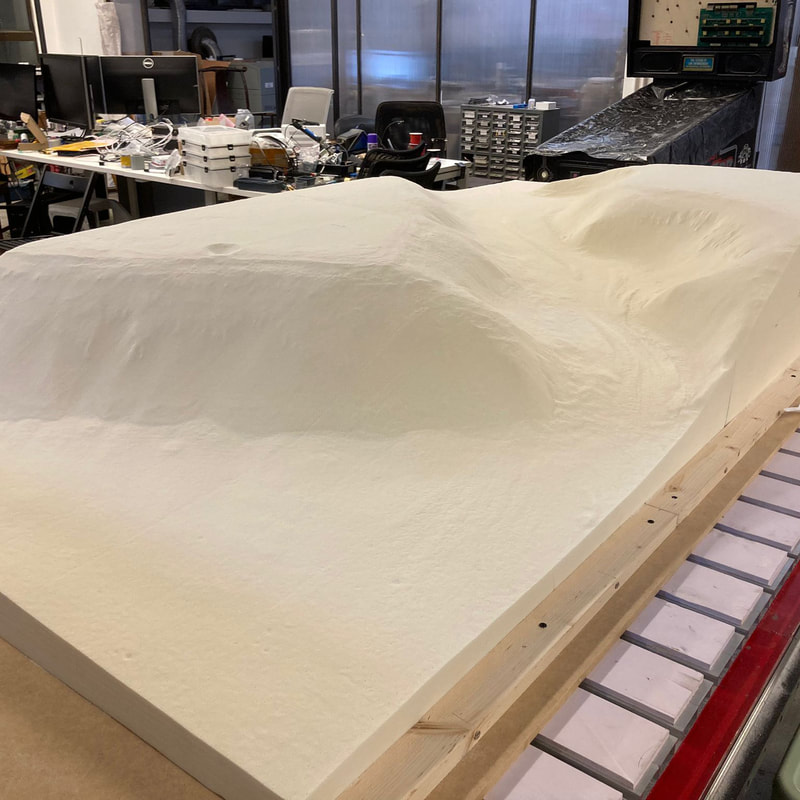
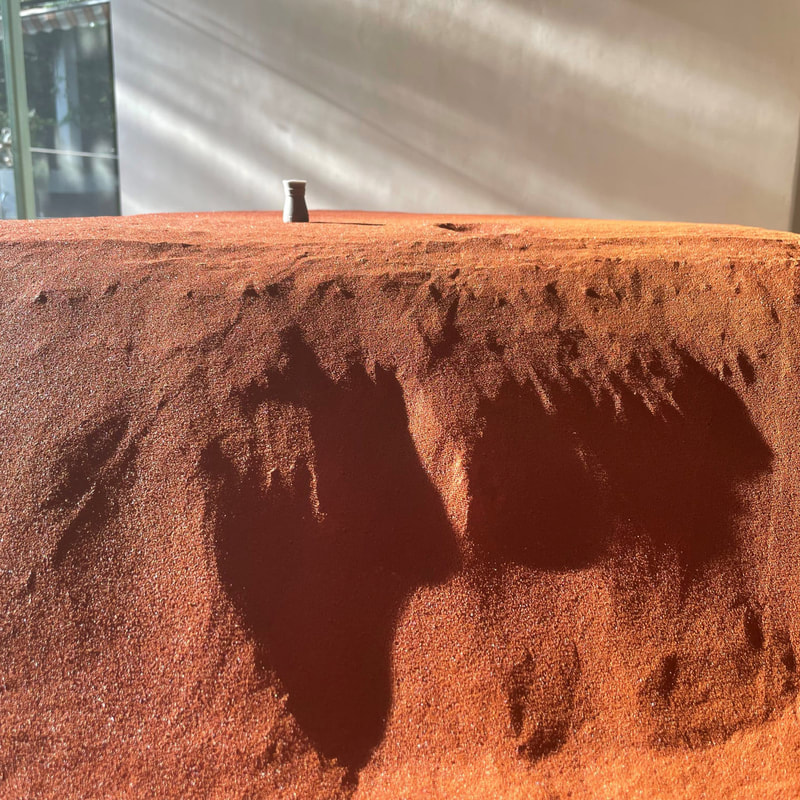
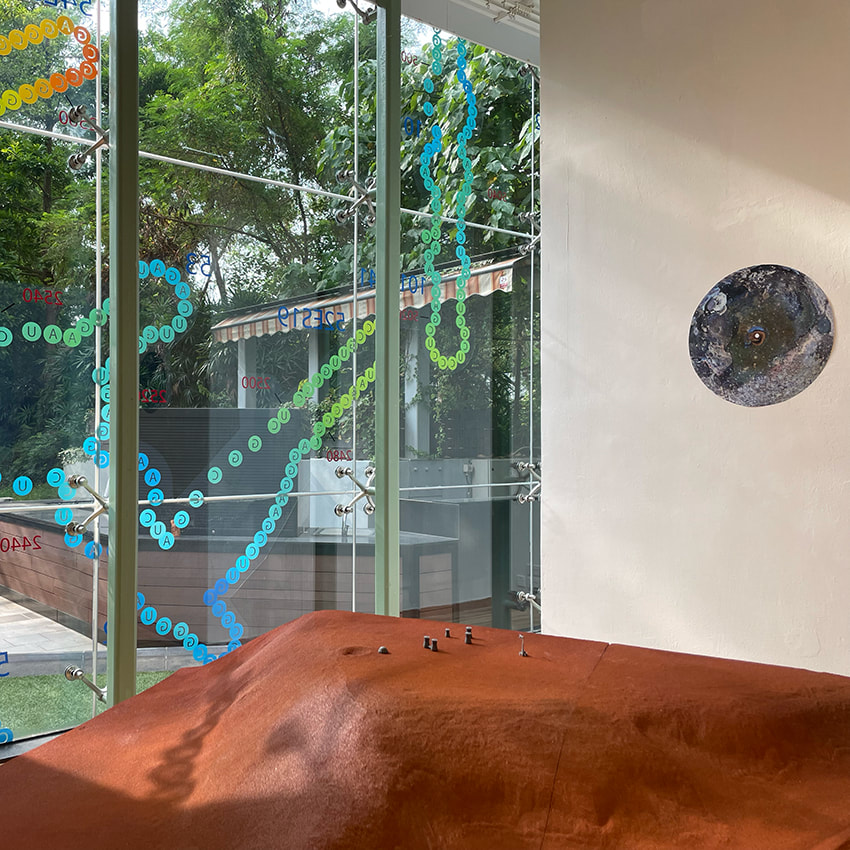
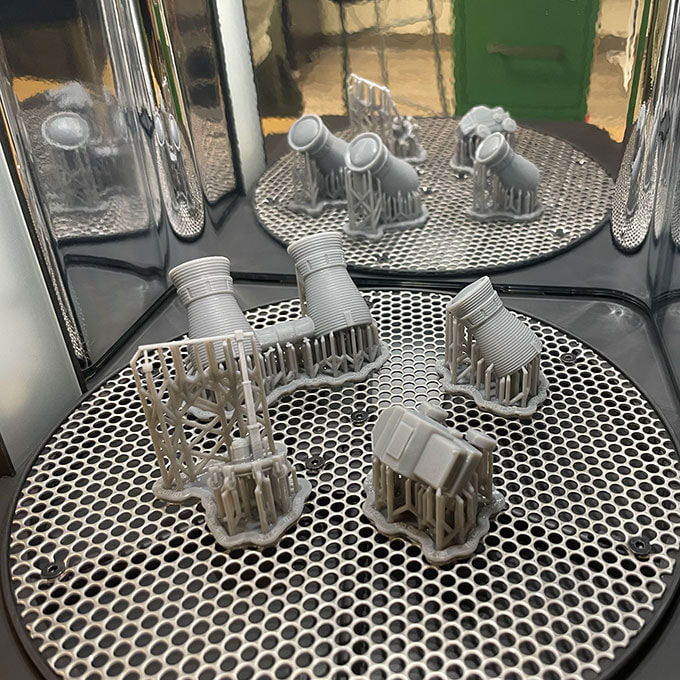
Image adapted by Michael Whittle (Courtesy of ESA / DLR / FU Berlin, as part of the HiRISE project). Computer programmer and 3D modeler Alan Gordie, who works under the name Organic Computer, has adapted NASA HiRISE data to create 3D representations of geographic features on Mars. I've included a link below to learn more about his modelling process and his other fascinating projects. Alan kindly gave permission to use one of his HiRISE models of a section of the labyrinth, and the data was then adapted for compatibility with CNC milling by Homan Ho at my favourite Hong Kong fabricators 'FabLab Tokwawan'. This finally allowed us to create a large-scale model of a portion of Noctus Labyrinthus in high-density architectural foam, with enough detail to capture all the subtle qualities of the martian landscape. Homan ran a cutting simulation to check for potential bugs in the data, then started the process at a low resolution to remove the bulk of the foam and create a roughly stepped series of terraces. Switched to a finer modelling blade allowed us to mill the surface with millimetre precision. The tiny craters, rippling landslides, and intricate cliffs gradually became visible, and a small section of actual Martian landscape, 140 million miles away, slowly emerged in downtown Kowloon in Hong Kong.
Homan Ho's video footage of the CNC milling process at FabLab Tokwawan in Hong Kong
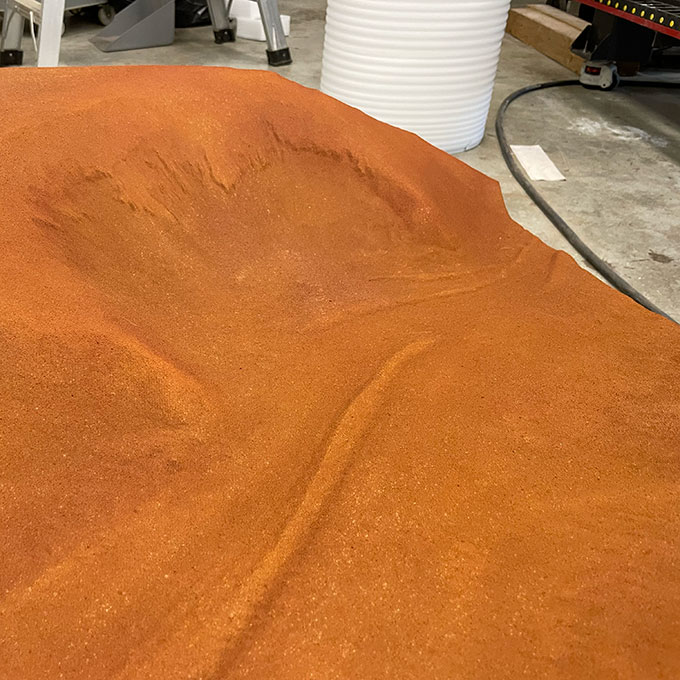
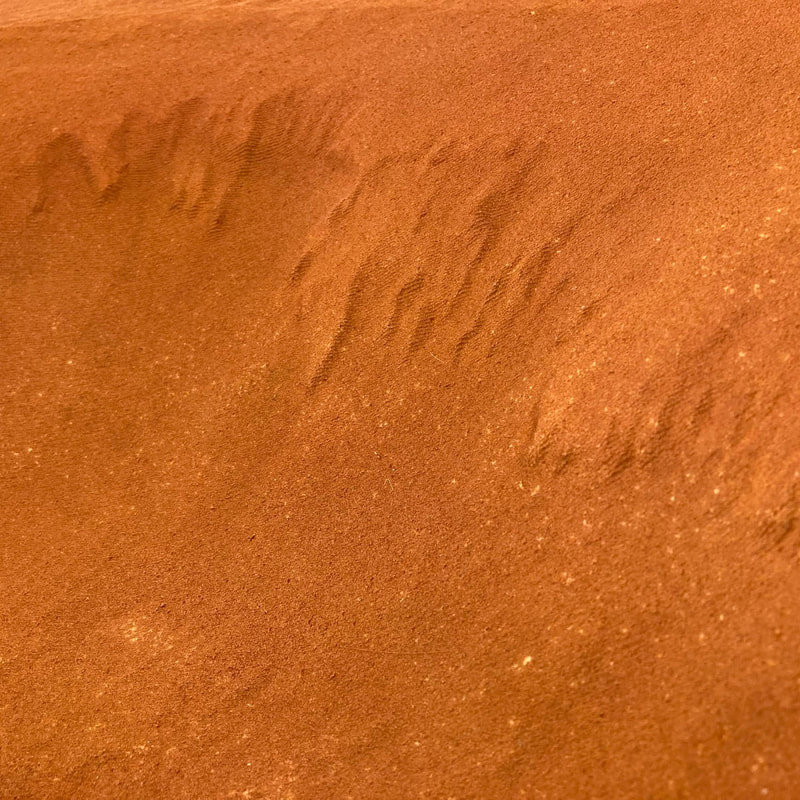
Homan also sourced iron oxide pigments, or powdered haematite, so we could colour the surface of the model using materials similar to those found in the rusty martian dust. The model was then shipped to and installed in the gallery along with all of the reference materials, drawings, and notes that had gone in to generating the project. 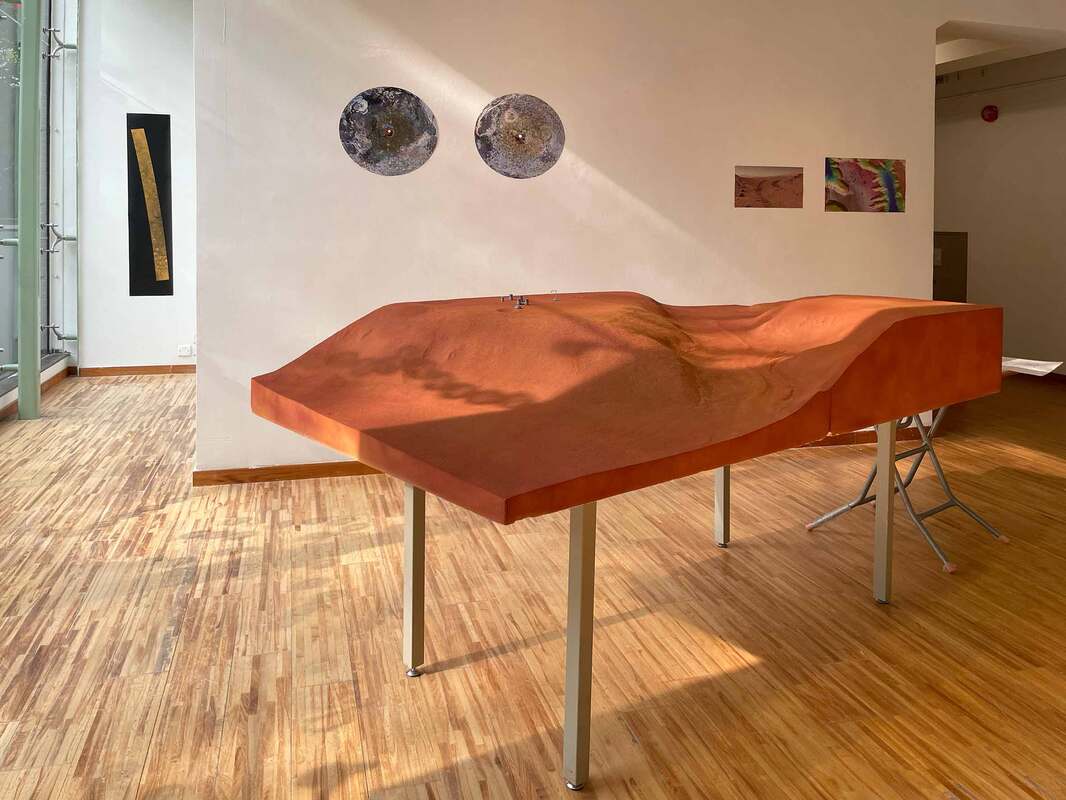
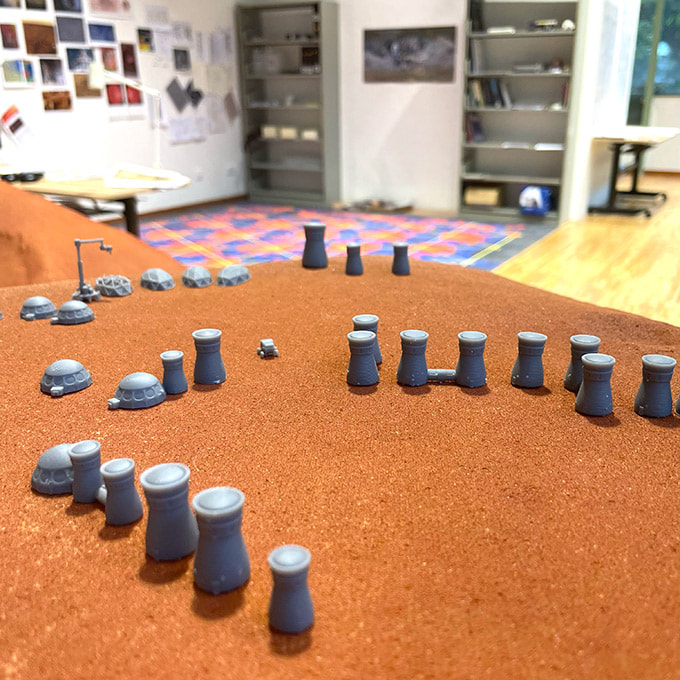
Figure 9: CNC milled replica model of the Martian landscape for the CITYA exhibition, 2021
|
Dr. Michael WhittleBritish artist and Posts:
Categories
All
Archives
April 2024
|